School Collaboration & Advocacy
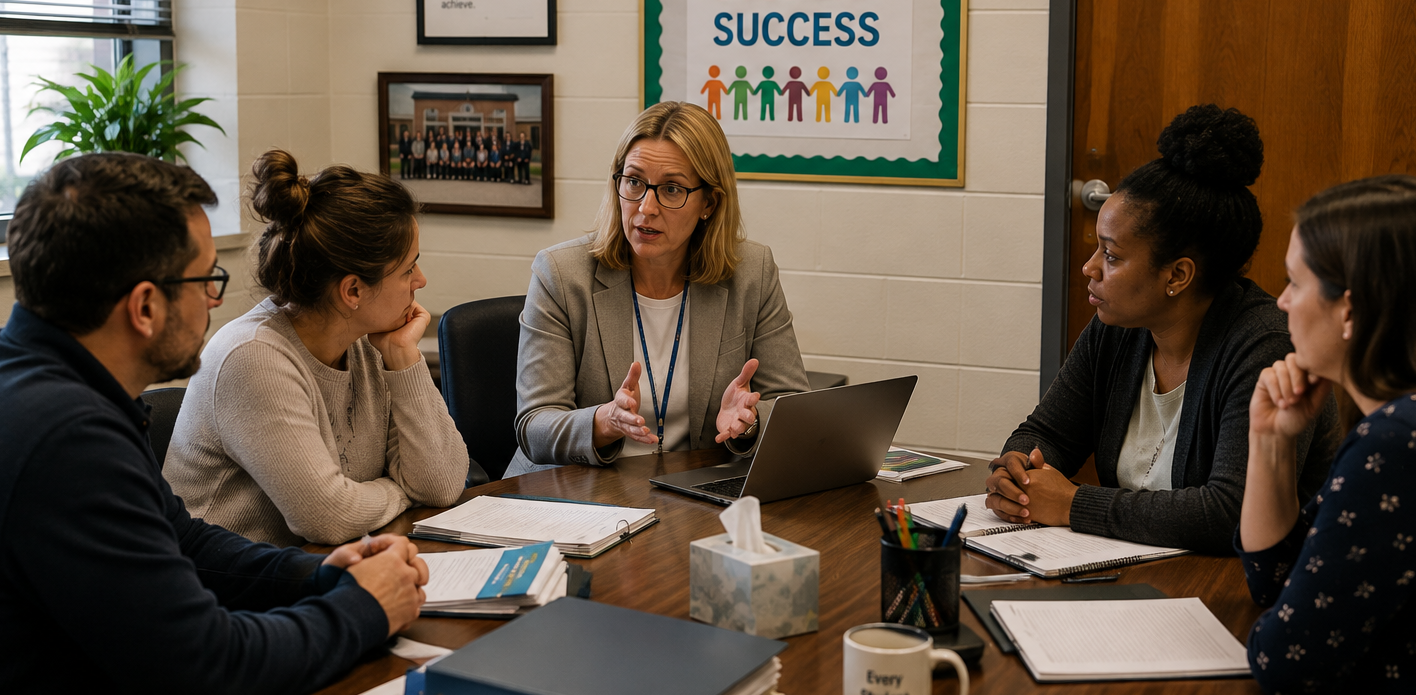
Connecting everyday goals across family, clinical, and school settings.
A child may use a skill comfortably in one setting and need more support in another. Communication among families, clinicians, and educators can help everyone understand the student's strengths, daily demands, and participation needs.
Apex serves children and adolescents ages 2–18 in Fairfax County and Northern Virginia. Contact our team to discuss your priorities and the school collaboration options appropriate to your child's care.
Begin With a Shared Understanding
Families see daily routines outside school. Educators see the learning environment and peer activities. Clinicians may contribute observations relevant to communication, daily skills, or other treatment goals. Sharing these perspectives can help identify useful questions and areas for coordination.
Collaboration should have a clear purpose and take place with appropriate permission. School and clinical services may have different responsibilities and goals; coordination does not make them interchangeable.
Topics Families May Want to Discuss
Communication & Participation
How does the student ask for help, communicate a need, or participate in a shared activity? Which strategies are already familiar and helpful across settings?
Routines & Learning Environments
What makes a transition, classroom routine, or task easier or harder? Concrete observations can make a discussion more useful than broad labels about behavior or motivation.
Independence & Self-Advocacy
What does the student want to do more independently? How can their preferences and perspective be included, especially as they enter adolescence?
Changes & Transitions
Families may want to plan for a new classroom, a change of school, or a different daily schedule. Discuss what information would help the receiving team understand the student's strengths and existing supports.
What Collaboration May Look Like
A family might ask relevant professionals to compare observations about a difficult transition or clarify how a communication strategy is used. Another discussion might focus on a practical goal, such as requesting a break or organizing materials for an activity.
These examples describe possible collaboration. Attendance at school meetings, document review, school visits, formal assessments, and other specific services must be confirmed with Apex before they are arranged.
Advocacy Starts With Clear Questions
Caregivers can prepare by identifying priorities, recording specific examples, and asking what a proposed support is intended to address. When appropriate, students can help explain their own experience and what support they find useful.
Apex's focus here is clinical and family collaboration. This page does not offer legal representation or guarantee a school decision, placement, accommodation, or educational outcome.
Therapy for Real Life
Skills become useful when they support access to everyday experiences: understanding a routine, communicating during a group task, or navigating a change with appropriate support. Coordination can help keep those practical purposes in view while respecting each setting's role.
Speech Therapy · Occupational Therapy · Caregiver Support
Common Questions
Will Apex attend an IEP or 504 meeting?
Ask our team about the services currently available, permission requirements, and any arrangements needed. Attendance is not promised by this page.
Does clinic-based care replace school services?
No. Clinical and educational services have distinct roles. Discuss each setting's goals and responsibilities with the relevant professionals.
What should I bring to the conversation?
Start with your priorities, your child's perspective when possible, and examples of the situations you want to discuss. Ask which documents are relevant and how to share them securely with the appropriate team.

Ready to get started?
Tell us about your child's school-related goals and the collaboration you would like to explore.